Sarah J. | June 10, 2024 | Categories: History vs. Hollywood, Maritime Lore
However, there a notable William Turner who lived in the maritime world of the 1600s—but he was on the opposite side of the law.
So why does his name feel so pirate-y? Because in the late 17th century, the line between a “privateer” (a legal pirate with government permission) and a “pirate” (an outlaw) was incredibly blurry. While Turner likely saw himself as a patriot, his enemies—the French and Spanish—would have called him a pirate without hesitation. Here is where the history gets truly interesting. In 2006, while researching for a documentary, maritime historians found a striking clue in the National Maritime Museum in Greenwich, London.
The short answer is sort of . The long answer involves a fascinating collision of history, a very famous painting, and one of the most successful fictional name-steals in movie history. Let’s get the biggest misconception out of the way first. If you search 17th-century pirate rolls for a Captain William Turner, you won’t find him. There was no infamous buccaneer with that name terrorizing Port Royal.
The film’s Will Turner is the perfect inversion of the historical reality. He starts as an honest blacksmith (lawful, land-based) and is reluctantly dragged into piracy. His father, “Bootstrap” Bill, is a nod to the real pirate “Bootstrap” (a nickname for a real sailor, though not named Turner).
They uncovered a portrait dated 1680 of a wealthy, stern-looking man with long dark hair, a leather jerkin, and a cutlass at his hip. The name on the frame?
The Real William Turner: Pirate, Privateer, or Just a Great Movie Name?
Ares
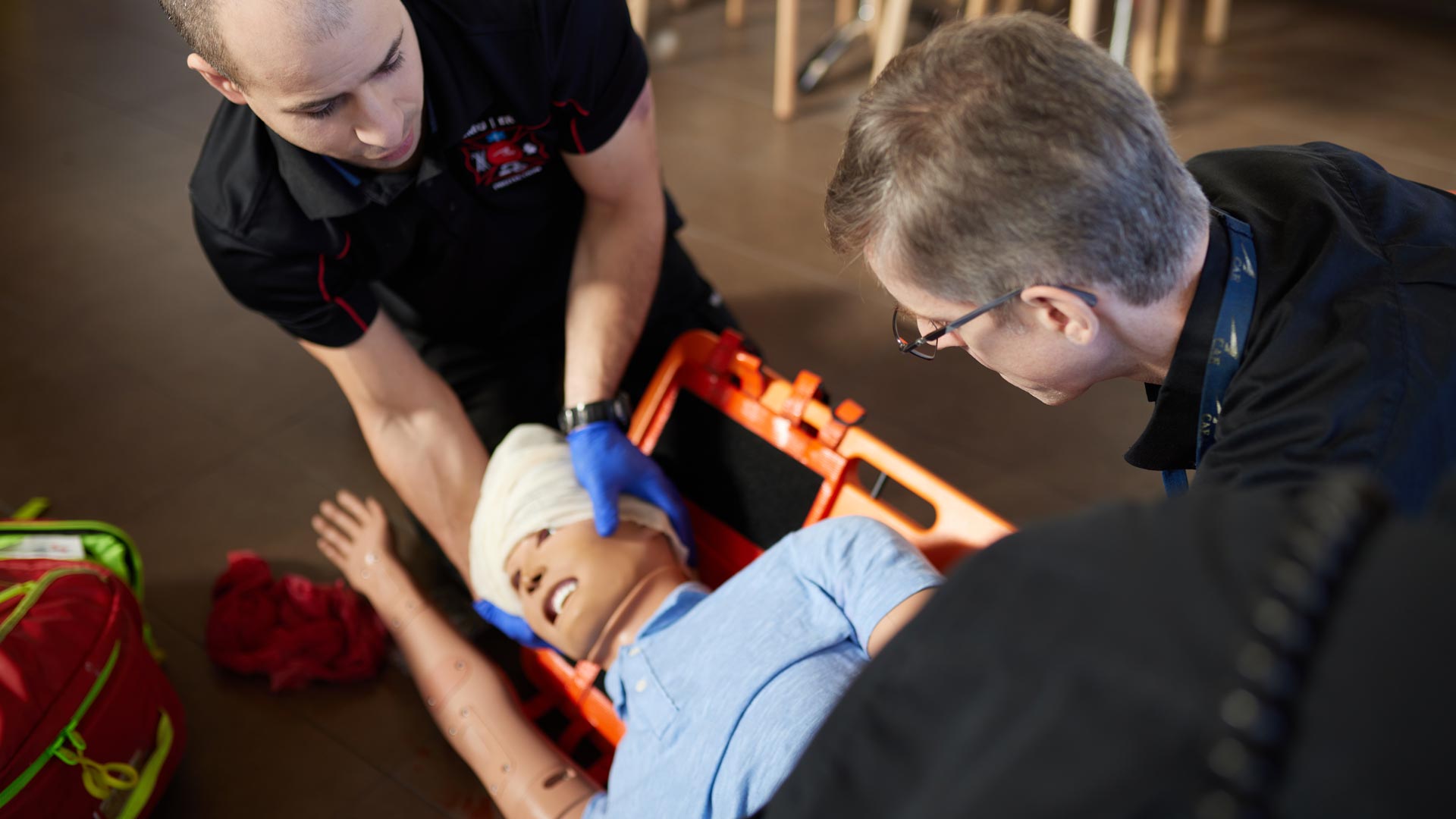
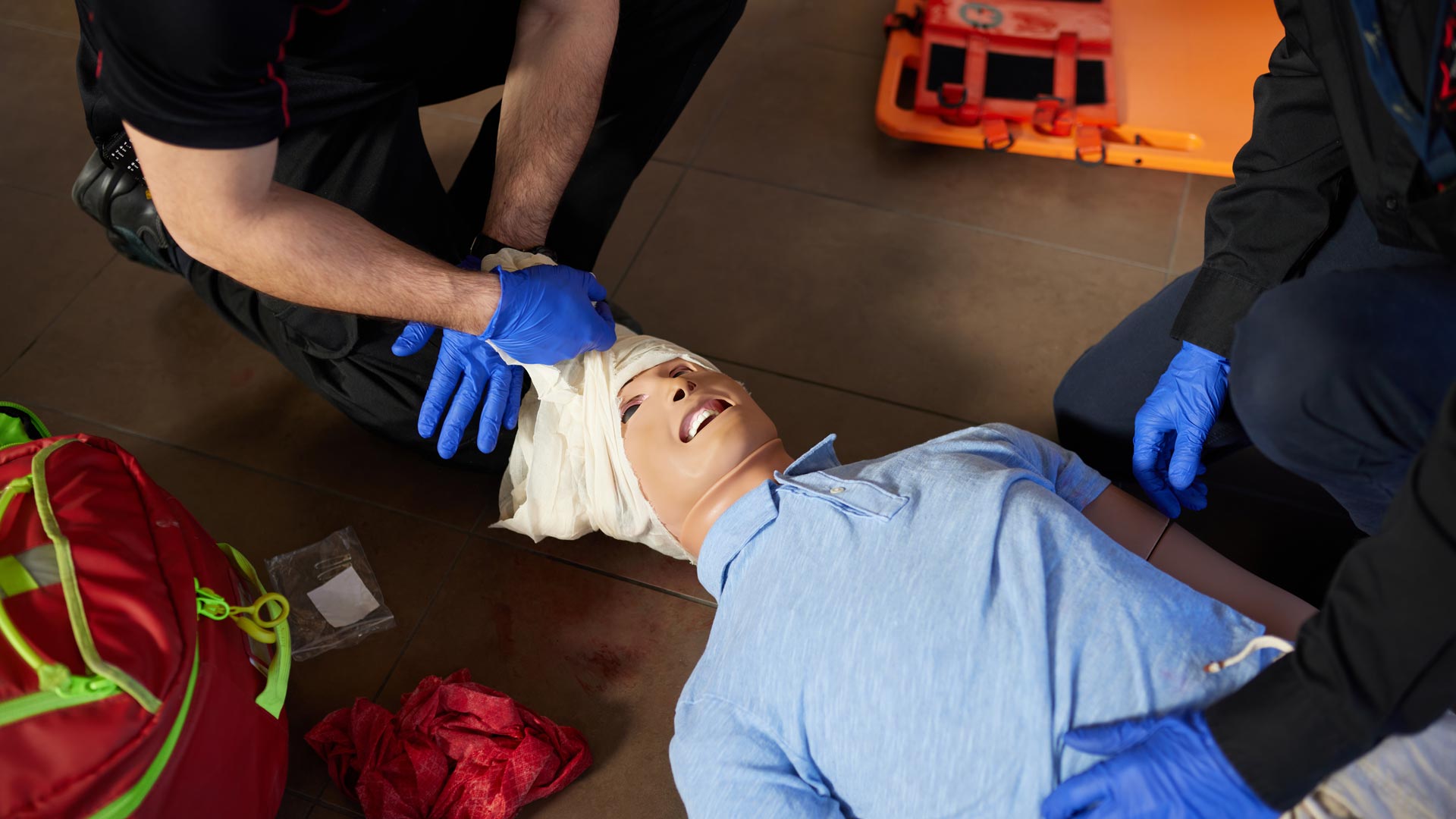
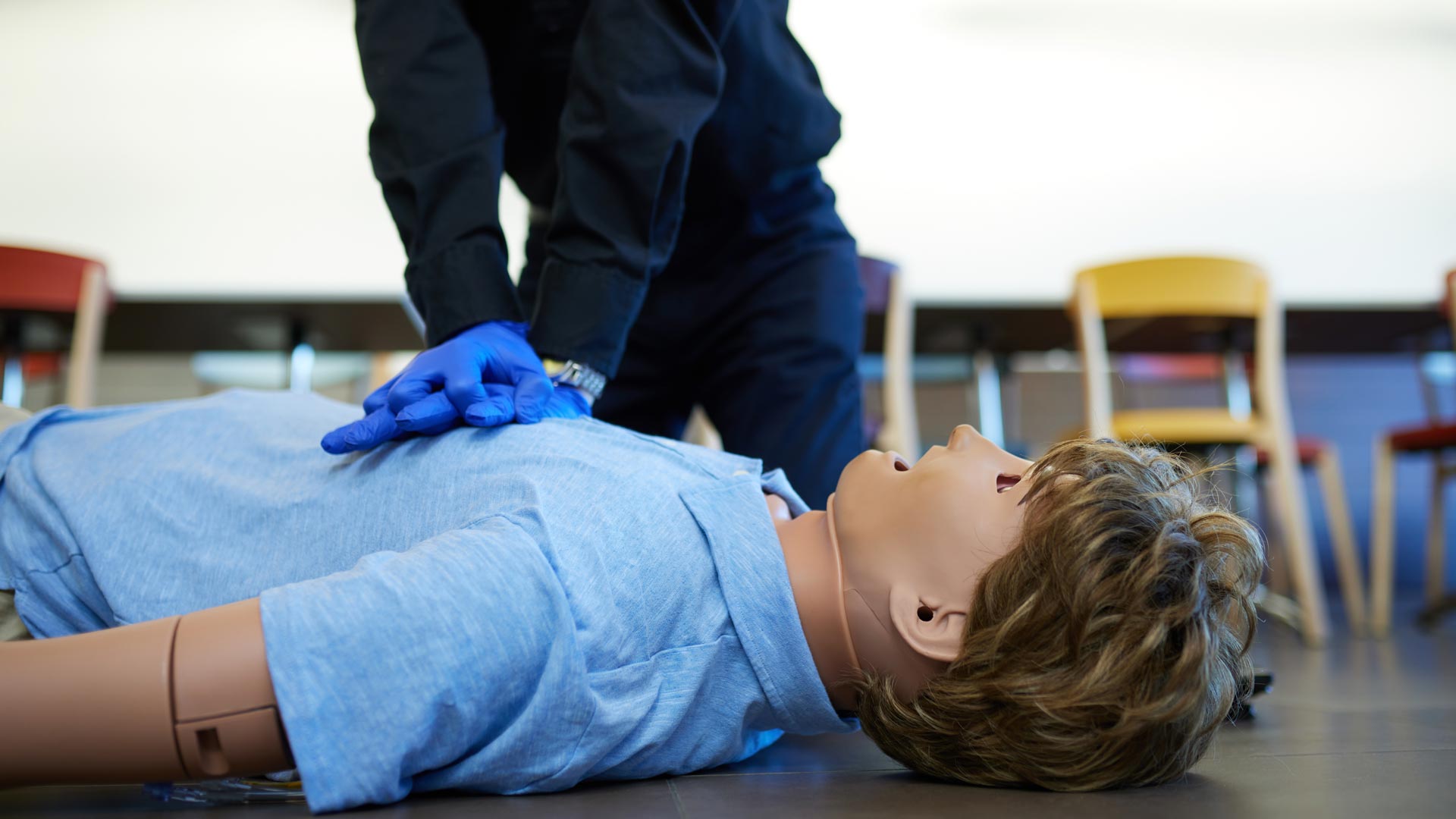
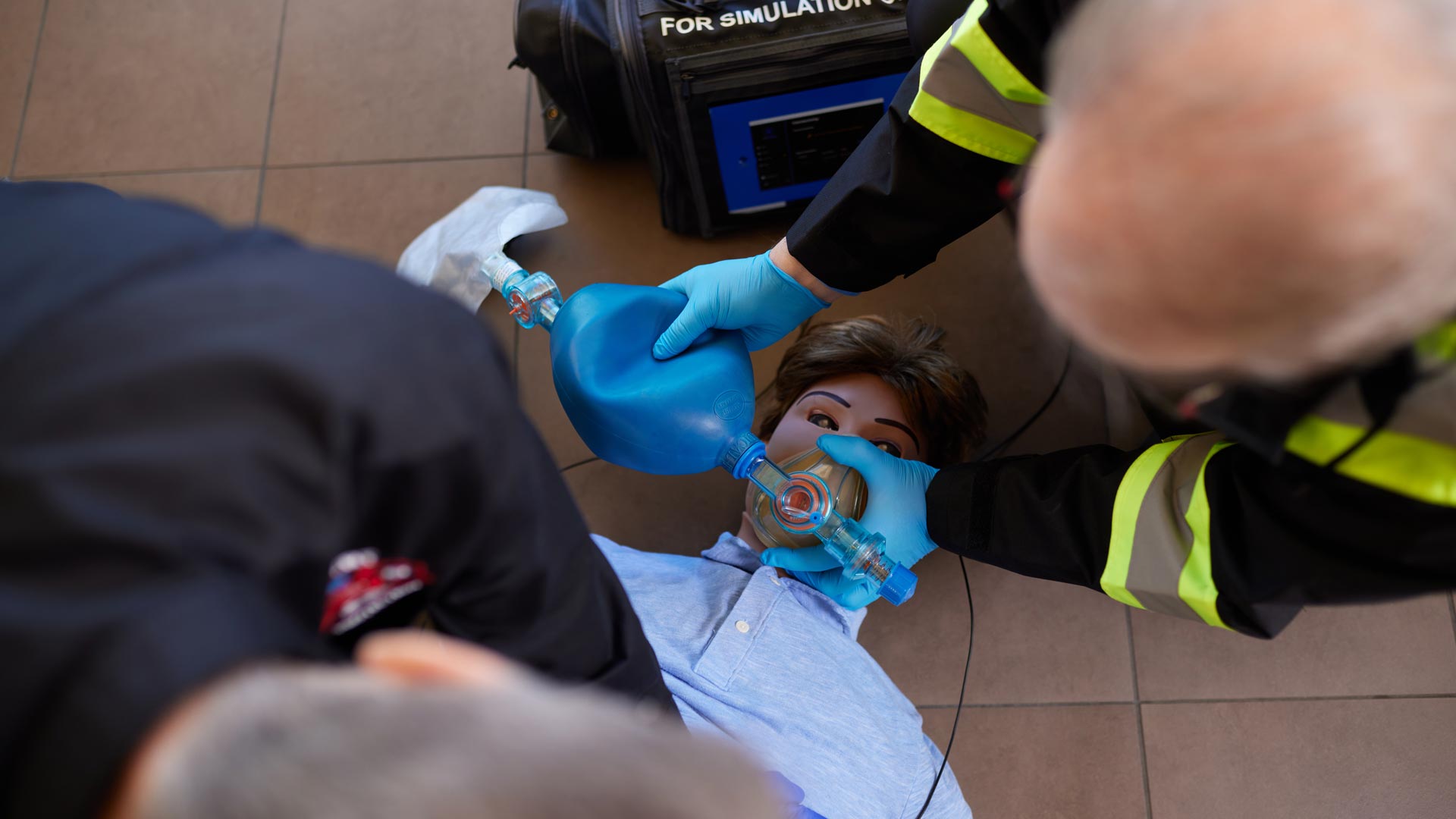
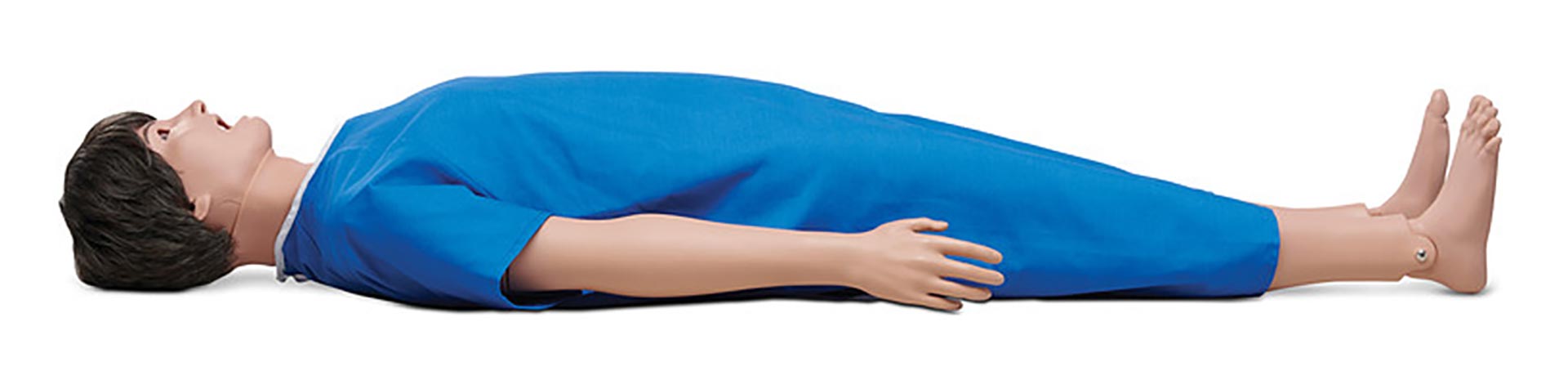
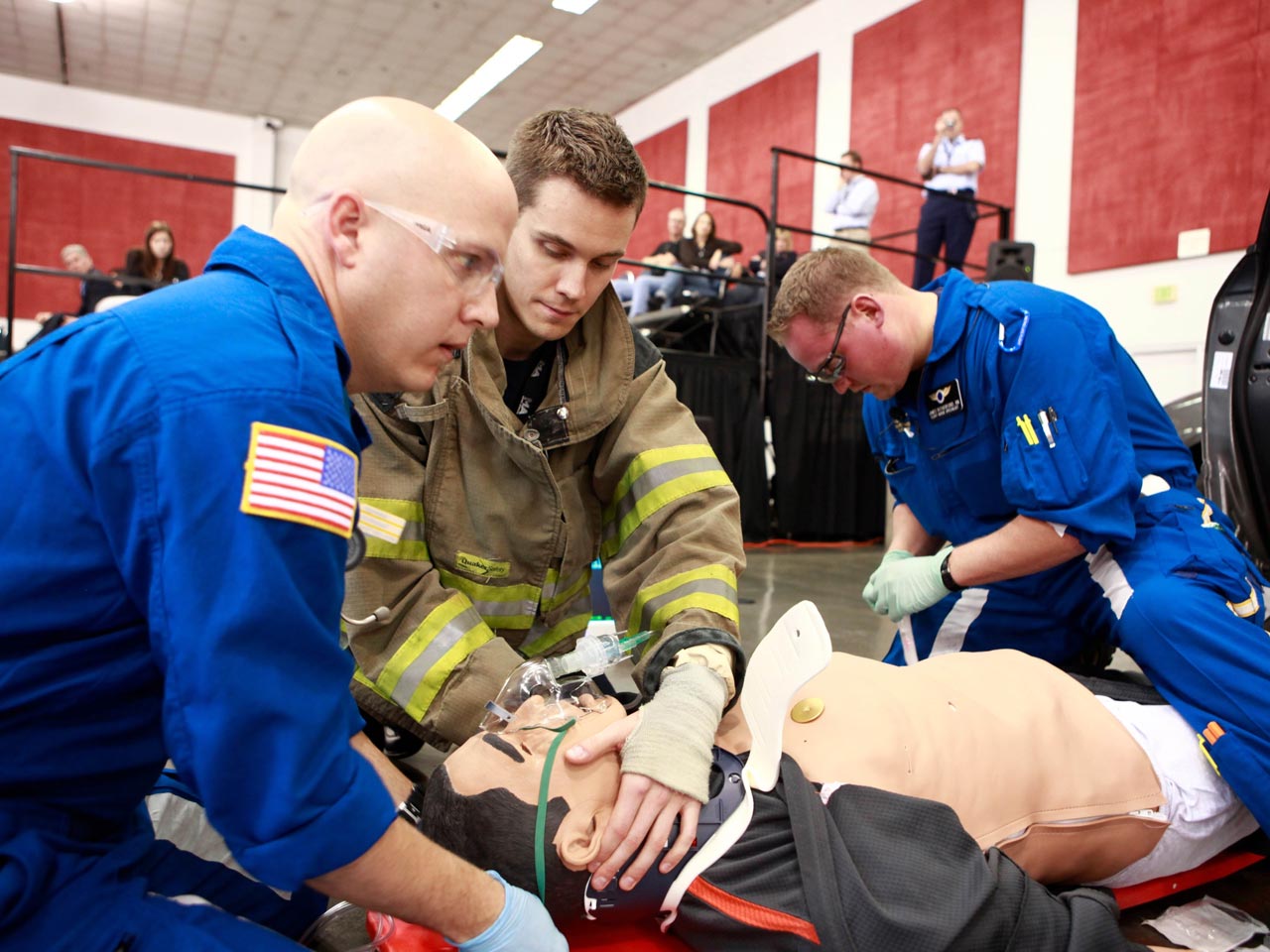
Save time and money with Ares, our cost-effective emergency care simulator designed for nursing programs, EMT educators, and trauma teams who need reliable training that delivers results. Learners can practice essential airway management, breathing assessment, and emergency medications while experiencing dynamic feedback that builds real confidence.
Ares integrates advanced training capabilities seamlessly into everyday curriculum. SymEyes technology enables patient condition assessment, while built-in CPR performance tracking ensures students master ALS and ACLS protocols. Combined with Maestro simulation software and two-way communication, these features create training experiences that translate directly to improved patient care.
"“Elevate Healthcare have many products that are available to meet the users where they're at, whether it is a low fidelity trainer or a mid-fidelity with some physiology, or a high-fidelity bit of equipment.” "
- - Dr. Daniel Ortiz, Associate Dean of Nursing and Allied Health
Why Choose Ares
Cost-Effective Solution
Durable construction reduces replacement and maintenance expenses
Flexible financing and service plan options
High training volume capacity supports program scalability
Proven Emergency Protocols
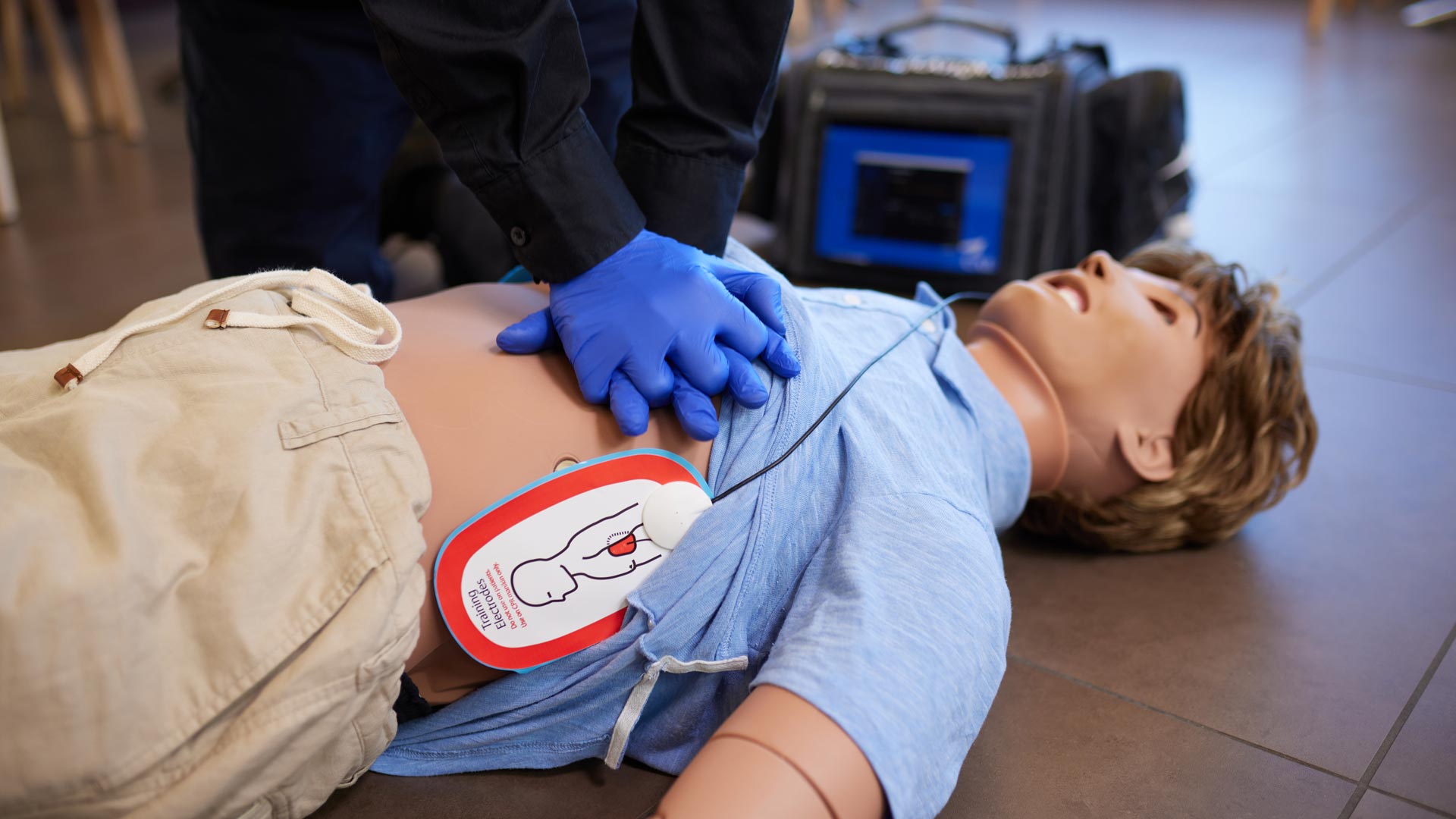
AHA and ERC compliant CPR training capabilities
ACLS and ALS protocol support
Evidence-based emergency care scenario library
Real equipment integration for authentic training experiences
Operational Reliability
Simplified setup and operation procedures
Comprehensive technical support and service options
See how Ares delivers realistic emergency care training capabilities.
Eyes
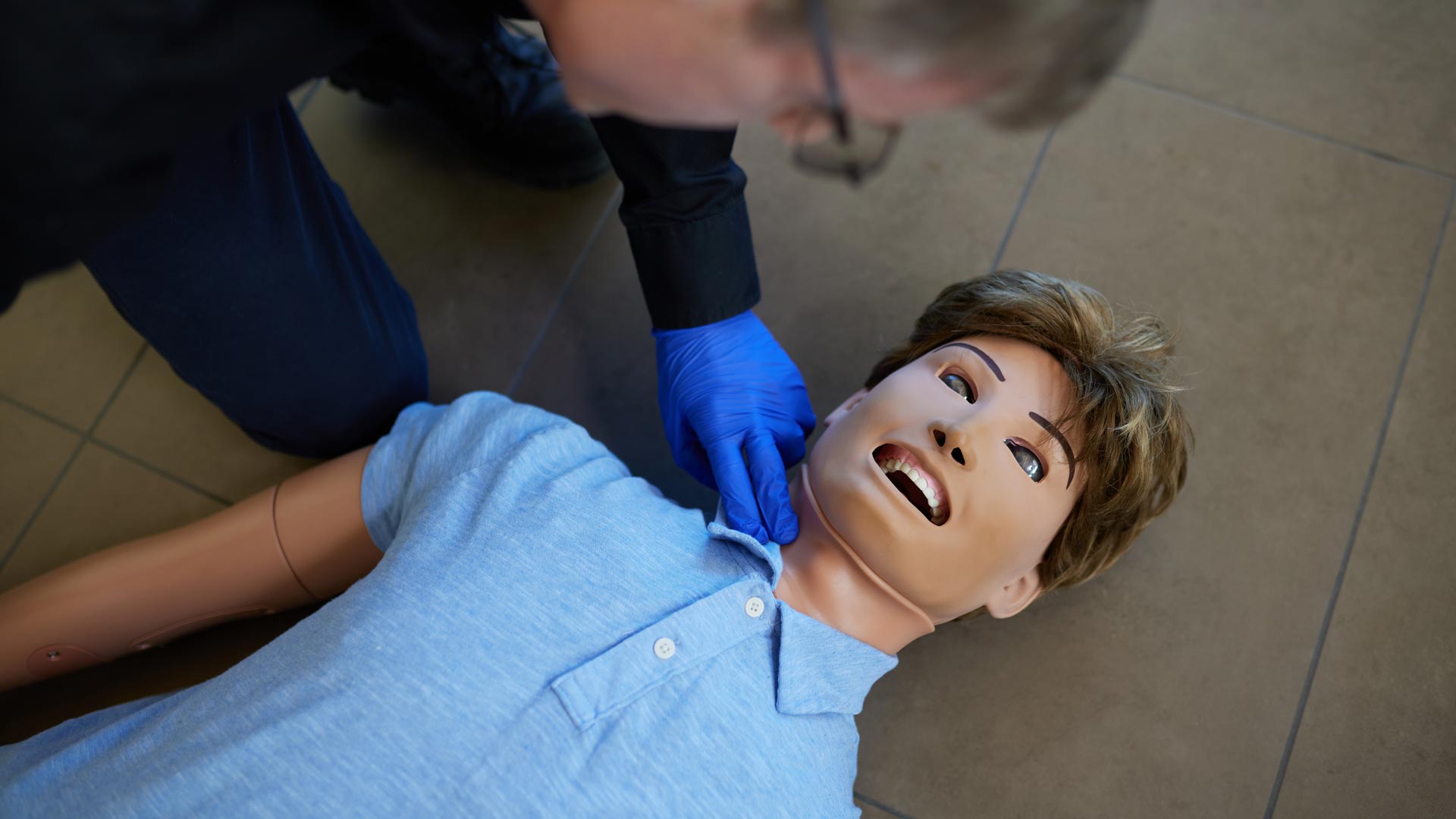
Alter the appearance of eyelids, pupils and sclera with SymEyes for diagnostic training
Head
Bilateral carotid pulses paired with modeled physiology for cardiovascular assessment
Chest
Spontaneous breathing with visible chest rise and fall during bag-valve-mask ventilation
Abdomen
Chest compressions compliant with AHA and ERC guidelines for resuscitation training
Lower Chest
Auscultate normal and abnormal heart, lung and bowel sounds for patient assessment
Wrists
Palpate bilateral brachial and radial pulses for circulatory evaluation
Knees
Realistic articulation at hips, knees, ankles, and shoulders for patient positioning
Eyes
Head
Chest
Abdomen
Lower Chest
Wrists
Knees
Experience Ares in an On-Demand Virtual Demo
Ares Virtual Demo
Explore Ares' emergency care capabilities, including SymEyes technology, two-way communication, advanced CPR performance analysis, and realistic emergency response training. See how Maestro software enables dynamic scenario management and real-time performance feedback for effective emergency care education.
Sarah J. | June 10, 2024 | Categories: History vs. Hollywood, Maritime Lore
However, there a notable William Turner who lived in the maritime world of the 1600s—but he was on the opposite side of the law. william turner pirate
So why does his name feel so pirate-y? Because in the late 17th century, the line between a “privateer” (a legal pirate with government permission) and a “pirate” (an outlaw) was incredibly blurry. While Turner likely saw himself as a patriot, his enemies—the French and Spanish—would have called him a pirate without hesitation. Here is where the history gets truly interesting. In 2006, while researching for a documentary, maritime historians found a striking clue in the National Maritime Museum in Greenwich, London. Sarah J
The short answer is sort of . The long answer involves a fascinating collision of history, a very famous painting, and one of the most successful fictional name-steals in movie history. Let’s get the biggest misconception out of the way first. If you search 17th-century pirate rolls for a Captain William Turner, you won’t find him. There was no infamous buccaneer with that name terrorizing Port Royal. So why does his name feel so pirate-y
The film’s Will Turner is the perfect inversion of the historical reality. He starts as an honest blacksmith (lawful, land-based) and is reluctantly dragged into piracy. His father, “Bootstrap” Bill, is a nod to the real pirate “Bootstrap” (a nickname for a real sailor, though not named Turner).
They uncovered a portrait dated 1680 of a wealthy, stern-looking man with long dark hair, a leather jerkin, and a cutlass at his hip. The name on the frame?
The Real William Turner: Pirate, Privateer, or Just a Great Movie Name?
Virtual Demos On-Demand
They’re designed to help you envision how the right tools can support your goals and integrate seamlessly into your program.