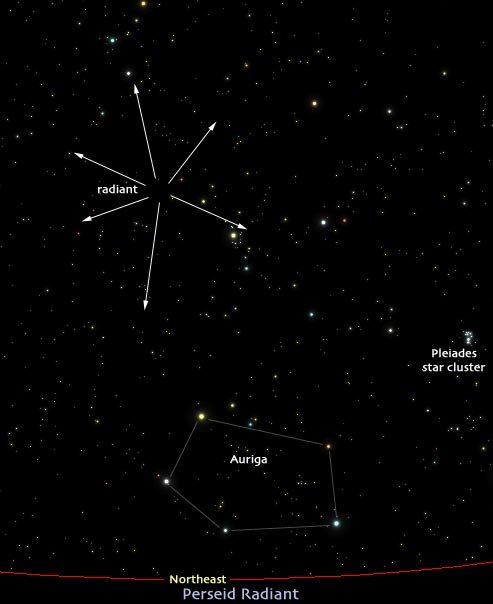
Perseid meteor shower
This shower peaks in mid-August, when Earth intersects the dust cloud left by comet Swift-Tuttle.


FriendMapper is not a social network; it is a reflective tool. Imagine an interactive atlas of your life, where each person is a pin on a dynamic map. Unlike the flat, linear feed of Instagram or the performative "like" of Facebook, FriendMapper would allow you to visualize the multidimensional nature of your bonds. It would categorize relationships not by recency of text message, but by emotional depth: "Confidant," "Work Ally," "Childhood Anchor," or "Energy Giver" versus "Energy Taker." By mapping these coordinates, FriendMapper forces us to confront a crucial question: Is the landscape of my social life healthy, or has it become a desert?
Ultimately, the goal of FriendMapper is not to collect friends, but to cultivate them. It is a mirror held up to our social habits, asking us to see who we have left behind and who is holding us up. In a world that prioritizes the quantity of connections, FriendMapper champions the quality of the constellation. It reminds us that we are all cartographers of our own loneliness or belonging—and it is time we started drawing a better map. friendmapper
For most of human history, our social circles were determined by geography. We were friends with the people in the next cave, the neighboring farm, or the house across the street. Today, the internet has shattered those physical barriers, allowing us to maintain friendships across continents. Yet, ironically, we have never been more disoriented regarding our own social health. We have hundreds of "friends" on social media but often feel profoundly alone. We need a tool not just for listing people, but for understanding the topography of our relationships. We need "FriendMapper." FriendMapper is not a social network; it is